
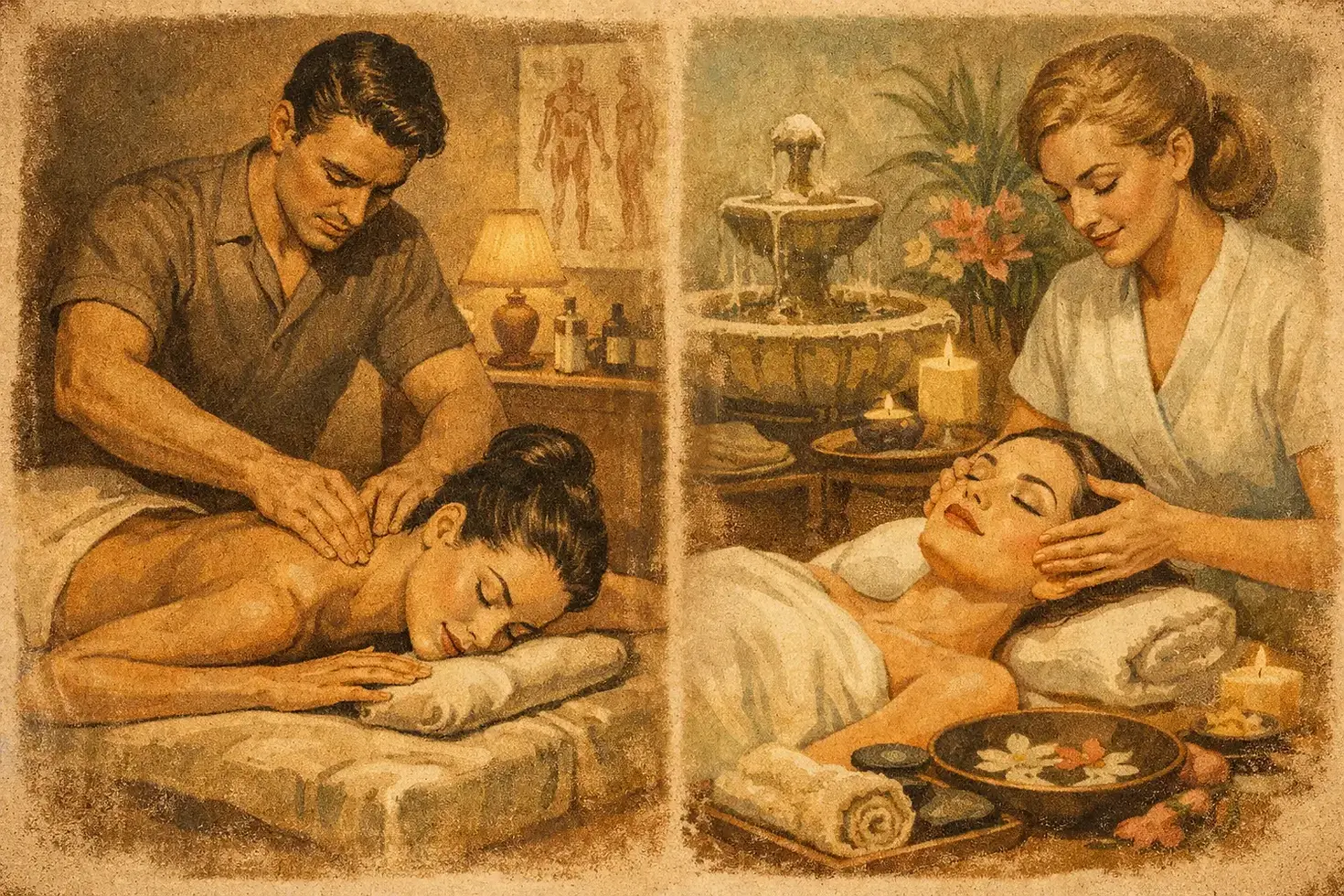
Therapeutic Massage vs Spa Massage
- Karina Masseuse

- Jul 6
- 6 min read
If you have ever booked a massage hoping to feel better, only to leave thinking it was pleasant but did not quite meet your needs, the difference often comes down to therapeutic massage vs spa massage. They can look similar from the outside - a treatment room, oils, soft music, a therapist’s hands - but the intention, structure and outcome are often very different.
For some people, a spa massage is exactly right. You may want a quiet hour, a chance to switch off, and a sense of being cared for without focusing on any specific issue. For others, especially if stress is living in the body as tight shoulders, poor sleep, jaw tension, headaches, heaviness or a constantly wired nervous system, a more therapeutic approach tends to offer deeper support.
Therapeutic massage vs spa massage: the core difference
The clearest difference is purpose. A spa massage is usually designed around relaxation and comfort. It aims to help you unwind, enjoy the experience and leave feeling soothed. There is real value in that. Rest is not superficial, and many people are carrying far more stress than they realise.
Therapeutic massage, however, is led by a treatment goal. That goal might be reducing muscular tension, improving circulation, easing swelling, supporting recovery from physical or emotional strain, or helping the nervous system move out of a heightened stress response. The session is not simply about feeling nice in the moment, though that may happen too. It is about supporting a meaningful shift in how your body feels and functions.
This does not mean therapeutic work has to be harsh or painful. In fact, some of the most effective therapeutic massage is deeply gentle. A respectful treatment can still create change when it is skilfully adapted to the body in front of the therapist, rather than forcing tissues to comply.
What a spa massage is really for
Spa massage is often centred on atmosphere and general relaxation. The treatment may be part of a wider spa visit, perhaps alongside a facial, sauna or day of rest. The pace is usually steady and calming, and the pressure is often moderate and broadly applied across the whole body.
That can be ideal if you are mentally tired, craving comfort, or simply want to press pause for a while. A good spa massage can lower stress, ease everyday tension and give you a valuable sense of reset. It can also be a gentle introduction for someone who feels nervous about bodywork.
Where spa massage may feel limited is when your needs are more specific. If one shoulder is persistently restricted, your legs feel heavy, your chest feels tight from stress, or you are carrying emotional overload that shows up physically, a standard relaxation treatment may not be tailored enough to address what is really going on.
What makes massage therapeutic
Therapeutic massage begins with listening. That includes your words, but also your posture, breathing, tissue tone, comfort level and the way stress is being held in the body. Rather than following the same routine each time, the therapist adapts pressure, rhythm and technique to your current state.
A therapeutic session may still feel flowing and nurturing, yet there is more clinical intention behind it. The therapist is considering how to support circulation, muscular release, lymphatic movement, breath capacity and nervous system regulation. In a holistic setting, there is also an understanding that the body does not separate physical tension neatly from emotional experience.
This matters because many people are not just tight. They are overstimulated, overtired and disconnected from rest. In that state, an approach based only on pressure can miss the deeper issue. Sometimes the body softens not because it was pushed harder, but because it finally felt safe enough to let go.
Therapeutic massage vs spa massage for stress and burnout
When life feels relentless, both kinds of massage can help, but they help in different ways. Spa massage offers relief through comfort, ambience and temporary escape. That can be very welcome, especially if you have been giving to everyone else and need an hour where nothing is asked of you.
Therapeutic massage tends to go further when stress has moved beyond the mind and into the tissues. You may notice shallow breathing, digestive discomfort, clenching, restless sleep or a sense that your body never truly switches off. In these cases, the goal is not just to distract you from stress for an hour, but to help your system settle more deeply.
This is where slower, intuitive bodywork can be especially supportive. Treatments such as Hawaiian Lomi Lomi, when offered with skill and sensitivity, can help the whole body feel held rather than managed in separate parts. The continuous flowing movements encourage release without aggression, which many people find profoundly regulating.
Pressure is not the whole story
One of the biggest misunderstandings around massage is the idea that stronger always means better. It does not. Deep pressure can be useful in some circumstances, but it is only one tool. If your nervous system is already on high alert, very forceful work can sometimes make the body guard even more.
Therapeutic massage should be responsive, not performative. The right pressure is the pressure your body can receive and integrate. Sometimes that is firm. Sometimes it is light to medium, with more emphasis on rhythm, warmth and sustained contact. The real question is not whether a treatment feels intense, but whether it helps your body move towards ease.
Spa massage may also use a range of pressures, but it is less likely to be adjusted around a therapeutic objective. The pressure is often chosen for comfort and general satisfaction rather than a targeted treatment response.
Which one should you choose?
It depends on what you need most right now.
If you want a pleasant, calming experience with no particular concern to focus on, a spa massage may be perfect. It can help you slow down, enjoy being looked after and come away feeling refreshed.
If you are dealing with recurring tension, physical heaviness, stress-related symptoms, poor recovery, emotional fatigue or the sense that your body has been carrying too much for too long, therapeutic massage is usually the more suitable option. It offers a more considered response to what your body is asking for.
Some people move between the two at different times. There is no hierarchy. One is not morally better than the other. The best choice is the one that matches your present condition.
Therapeutic massage vs spa massage: what to expect in the room
The treatment experience can feel different from the start. In a spa setting, the consultation is often brief and the structure relatively standard. The focus is on creating a smooth, relaxing service.
In a therapeutic setting, there is usually more attention to how you have been feeling physically and emotionally, what has brought you in, and how the session can be shaped around that. The treatment may still be deeply calming, but it is less likely to feel generic.
You may also notice a difference afterwards. With spa massage, people often say they feel relaxed, sleepy or lighter for a while. After therapeutic massage, the effects can include those feelings, but also easier movement, fuller breath, reduced discomfort, less internal agitation and a greater sense of being back in themselves.
That said, therapeutic work can occasionally stir things gently before settling them. If the body has been holding stress for a long time, release may not always feel identical to immediate bliss. Skilled therapists explain this well and work within your comfort, never against it.
Why this difference matters more than people think
When you understand the difference between therapeutic massage and spa massage, it becomes much easier to choose well. That saves disappointment, but more importantly it helps you receive the kind of support your body truly needs.
For many adults balancing work, family pressures, travel, disrupted sleep and constant mental load, the issue is not simply a need for pampering. It is a need for regulation, recovery and space to exhale properly. In those moments, massage becomes more than a treat. It becomes part of how you care for your health.
A practice such as Naturall Touch may appeal to people who want that deeper level of support without harshness. The therapeutic value lies not in intensity for its own sake, but in skilled, respectful touch that helps the body unwind in a more lasting way.
If you are choosing between the two, ask yourself one honest question: do I want an hour of relaxation, or do I want treatment that meets me where I really am? The answer is often clearer than it first seems.




Comments