
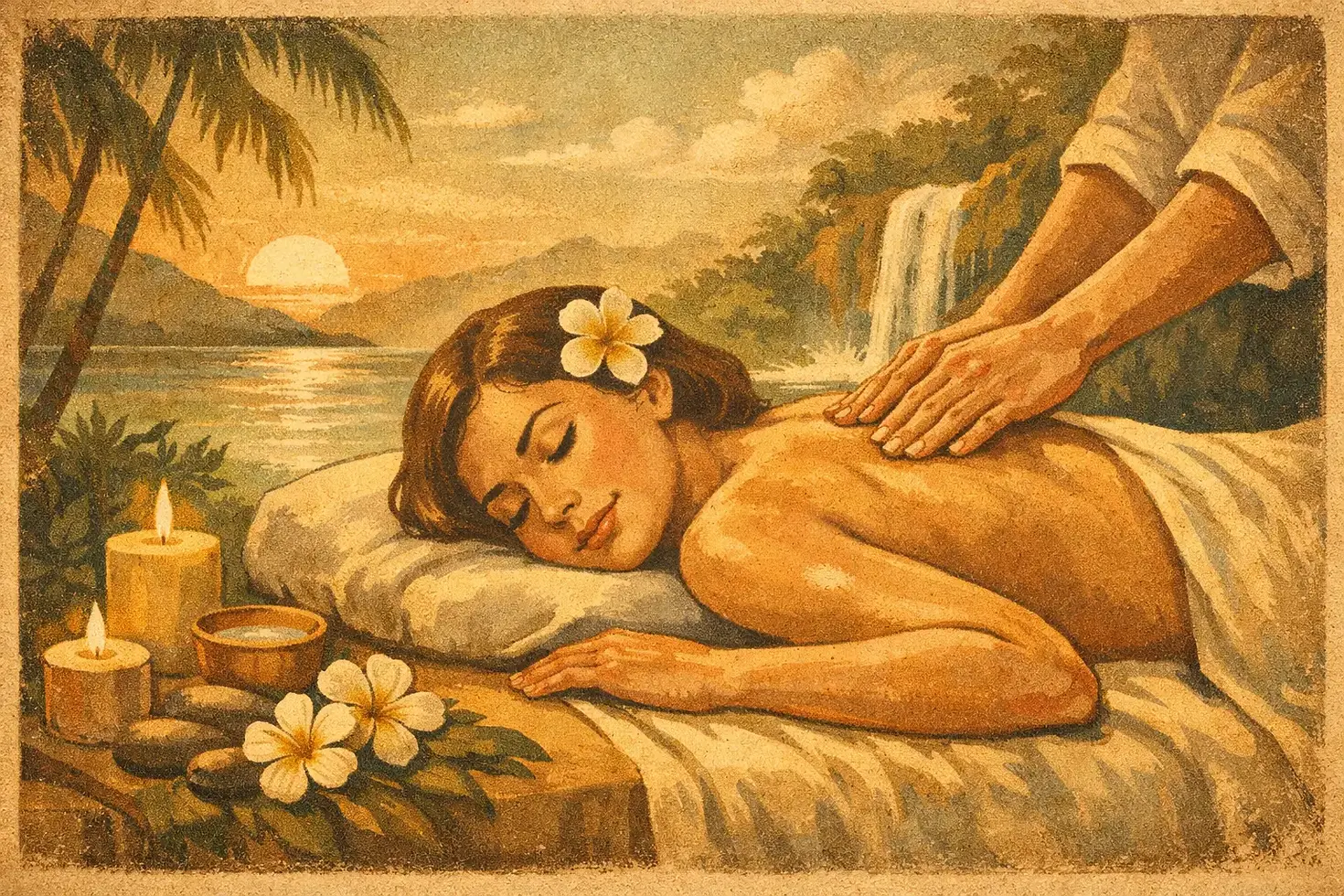
How Lomi Lomi for Stress Recovery Helps You Rest
- Karina Masseuse

- 2 days ago
- 5 min read
Stress does not always arrive as a racing mind. It can feel like a tight jaw at the end of the day, shoulders that never quite lower, shallow breathing, poor sleep, or a heaviness that follows you through even simple tasks. Lomi Lomi for stress recovery offers a different kind of pause: not a quick fix or a massage that asks you to endure discomfort, but spacious, flowing bodywork that gives your whole system room to soften.
When life has required you to keep going for too long, rest can feel surprisingly difficult. The body may stay alert even when the diary is clear. Hawaiian Lomi Lomi massage is designed to meet that state with warmth, rhythm and respectful attention, helping you move from holding on towards feeling supported.
Why stress stays in the body
Stress is a normal human response, but it becomes draining when there is little opportunity to come down from it. Deadlines, caring responsibilities, disrupted sleep, travel, physical discomfort and emotional pressure can all leave the nervous system in a state of readiness. You may notice clenched muscles, headaches, digestive unease, fatigue, irritability or a sense that you are never fully off duty.
Muscles often respond to this ongoing alertness by bracing. The neck and upper back become guarded, the hips can feel restricted, and breathing may stay high in the chest. Yet stress is not simply a collection of tight areas to be worked on. It is a whole-body experience, influenced by how safe, rested and settled you feel.
This is why forceful massage is not always the best answer. Deep pressure can feel useful for some people and on some days, but if the body is already overwhelmed, it may respond by tensing further. A gentler therapeutic approach can be more appropriate when your main need is to feel calm enough to let go.
What makes Lomi Lomi different?
Lomi Lomi is a traditional Hawaiian form of bodywork shaped by the understanding that physical, emotional and mental wellbeing are connected. Although every practitioner and treatment is individual, it is known for long, continuous, flowing strokes, often using the forearms as well as the hands. These movements travel across the body rather than stopping and starting at one small point.
The experience can feel less like isolated muscle work and more like being held in a steady rhythm. The flowing approach helps create continuity, allowing the mind to settle instead of anticipating the next intense technique. At the same time, skilful touch can address areas of tension without treating the body as a problem to be corrected.
Lomi Lomi is not about pushing through pain. Pressure can be adjusted according to your comfort, your sensitivity and what your body needs that day. Some clients want nourishing, deeply soothing contact after a demanding period; others benefit from more focused work around persistent tension. There is no prize for tolerating more pressure than feels right.
Lomi Lomi for stress recovery and nervous system support
A calm massage environment, caring touch and unhurried movement can support the body’s natural shift towards rest and recovery. Many people describe feeling their breathing deepen, their thoughts slow down and their muscles soften during a Lomi Lomi session. This response is not something that can be forced. It is invited through consistency, safety and the freedom to simply receive.
The long strokes of Lomi Lomi can be particularly reassuring for people whose attention feels scattered or whose bodies feel disconnected after prolonged stress. Rather than asking you to analyse how you feel, the treatment offers gentle sensory information: warmth, rhythm, pressure and stillness. For some, that makes it easier to return to a sense of presence.
Massage may also encourage circulation and ease the feeling of muscular tightness or heaviness that can accompany a busy, sedentary or physically demanding routine. If you experience swelling, ongoing pain or a health condition, it is wise to discuss this before booking so the treatment can be adapted appropriately. Massage supports wellbeing, but it is not a replacement for medical assessment or treatment when that is needed.
Emotional release can happen, but it is never the goal
People sometimes become emotional during or after a massage. A tearful moment, a sense of relief, or unexpected tiredness can arise when the body finally has space to rest. Equally, you may simply feel peaceful and sleepy. Both experiences are valid.
Lomi Lomi does not need to uncover a particular feeling to be worthwhile. There is no expectation to talk about personal experiences or to have a dramatic release. Respectful bodywork allows you to remain in control, with clear boundaries and the option to communicate at any point. The purpose is care, not pressure to perform healing.
What a stress recovery session may feel like
Your treatment should begin with a conversation about how you are feeling, any areas of concern, relevant health information and the level of pressure you prefer. This matters because stress recovery looks different from person to person. Someone with desk-related shoulder tension may need something different from a caregiver who feels emotionally exhausted, or a traveller arriving near Edinburgh Airport with a body that feels stiff from a journey.
During the massage, you are carefully draped and only the area being worked on is uncovered. The continuous movements are delivered with quality oil and a grounded, attentive pace. You do not need to help, stretch or hold a conversation. Your only task is to notice what feels comfortable and let the practitioner know if anything needs to change.
Afterwards, many clients feel deeply relaxed, lighter or pleasantly tired. Others notice the benefit more gradually, perhaps through a calmer evening, improved awareness of their posture, or a greater ability to sleep. Responses vary, particularly when stress has been building for months or years. One session can be restorative, while regular treatments may offer a more consistent space for recovery alongside supportive daily habits.
Helping the benefits last beyond the massage room
The hour after a treatment is worth protecting where possible. Try not to rush straight into difficult conversations, a packed supermarket or another demanding task. Drink water as you normally would, eat something nourishing if you are hungry, and allow yourself a quieter evening if your schedule permits.
You do not need an elaborate wellness routine to support the effect of massage. A short walk without your phone, a warm shower, a few slower breaths before bed, or a clear boundary around work messages can all help your body recognise that it is safe to come down. Small, repeatable moments of rest are often more realistic than waiting for a perfect free day.
If stress is affecting your sleep, mood, relationships or ability to function, massage can sit alongside help from your GP or a qualified mental health professional. Choosing support is a strength, particularly when carrying everything alone has become exhausting.
When Lomi Lomi may be a good choice
Lomi Lomi can suit people who want therapeutic massage without an aggressive approach. It may be especially appealing if you feel worn down, touch-starved, mentally busy, physically guarded or simply in need of a treatment that sees more than one tense muscle. It is also a thoughtful choice for those who find standard spa massages too routine or overly focused on superficial relaxation.
There are times when treatment should be postponed or adapted, including acute illness, fever, contagious conditions, recent injury, certain circulatory concerns or medical changes. A professionally trained practitioner will ask relevant questions and put your wellbeing before completing a session. At Naturall Touch, this gentle, client-led care is central to the treatment experience.
Stress recovery rarely comes from doing one more thing perfectly. Sometimes it begins with allowing yourself a protected hour where nothing is required of you, where your body is treated with patience rather than force, and where rest is allowed to be a meaningful part of your care.




Comments